CUSTOM-DESIGNED SKYLIGHTS: HOW NATURAL LIGHT SHAPES THE WAY A HOME FEELS
The Power of Looking Up
Skylights are far from a new architectural device. One of the most famous examples sits at the centre of Rome’s Pantheon, where an open oculus allows a circle of sunlight to move across the temple as the sun travels through the sky.
Nearly 2,000 years later, the principle still has something to teach us. Bringing light in from above doesn’t only provide us with a new way to view the world; it connects us to it too.
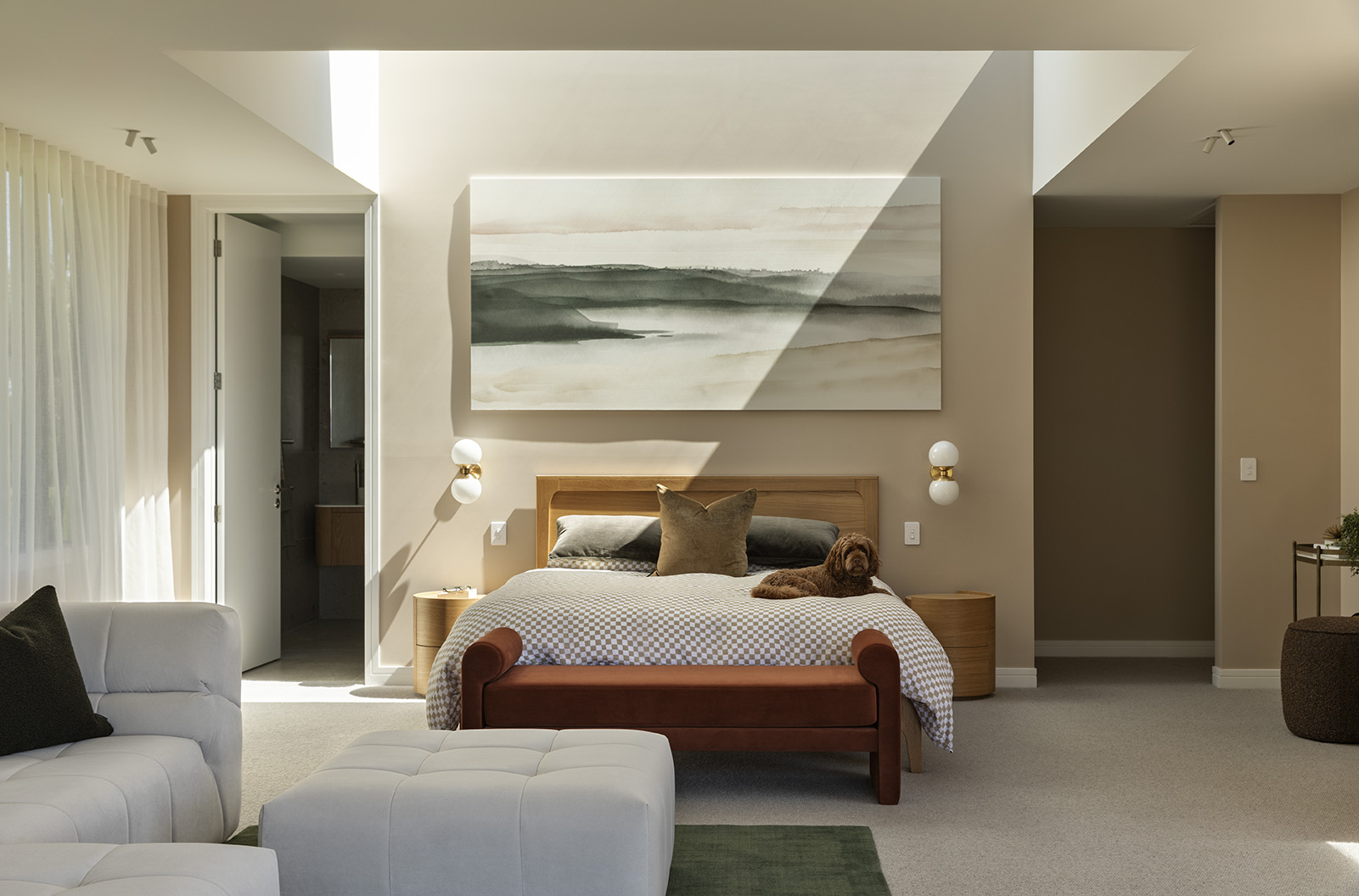
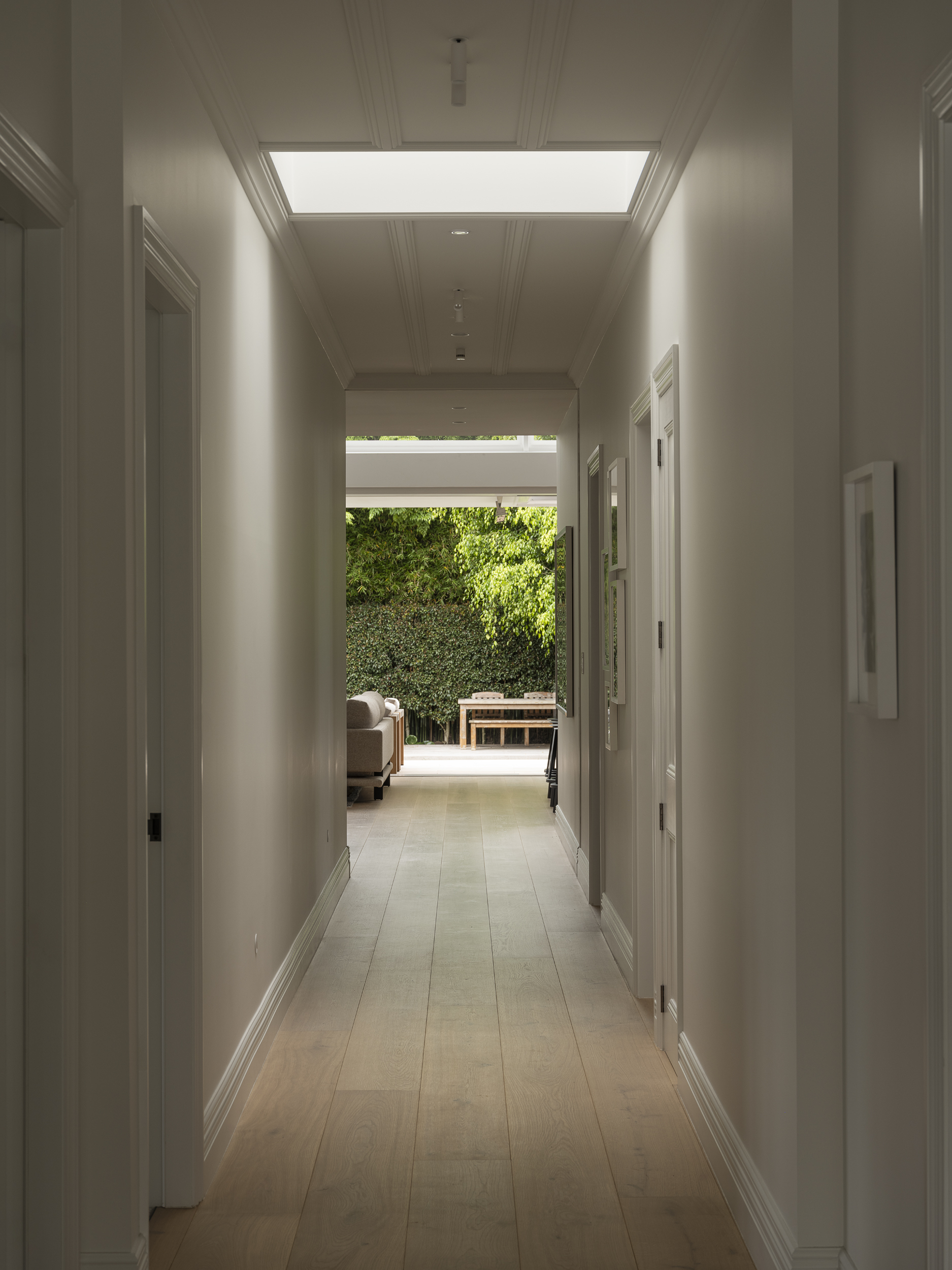
In a home, vertical connection can also turn challenges into opportunities. A skylight can bring sunshine into the middle of a deep floor plan, open up an enclosed stairwell, or introduce height and light into a bathroom while maintaining privacy. On compact sites and in older homes, it can even make a room feel more generous without adding a single square metre.
Designing With Light, Not Just For It
In terms of impact, there’s a big difference between adding a skylight retrospectively and integrating one from the start, as part of the architectural concept.
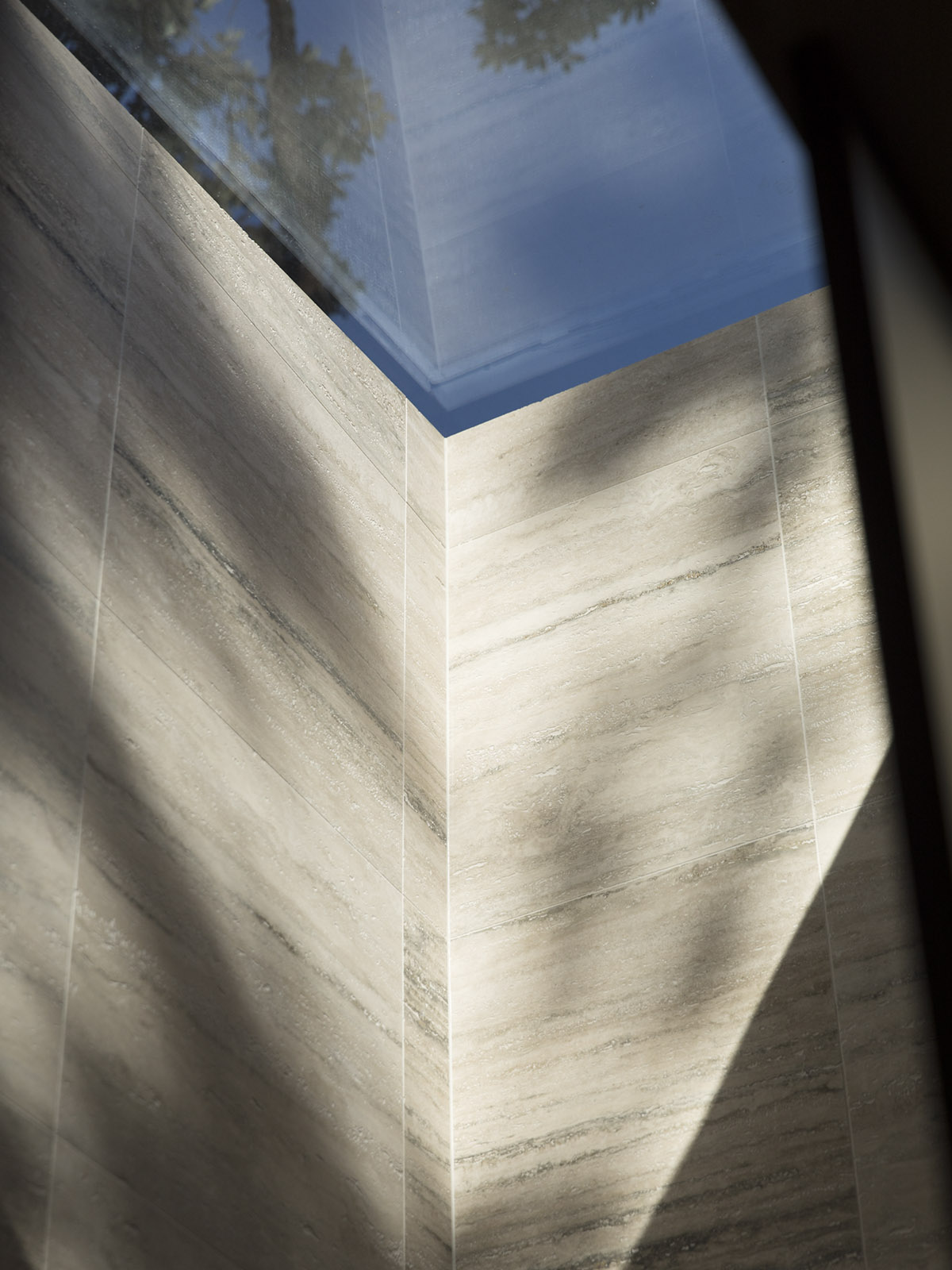
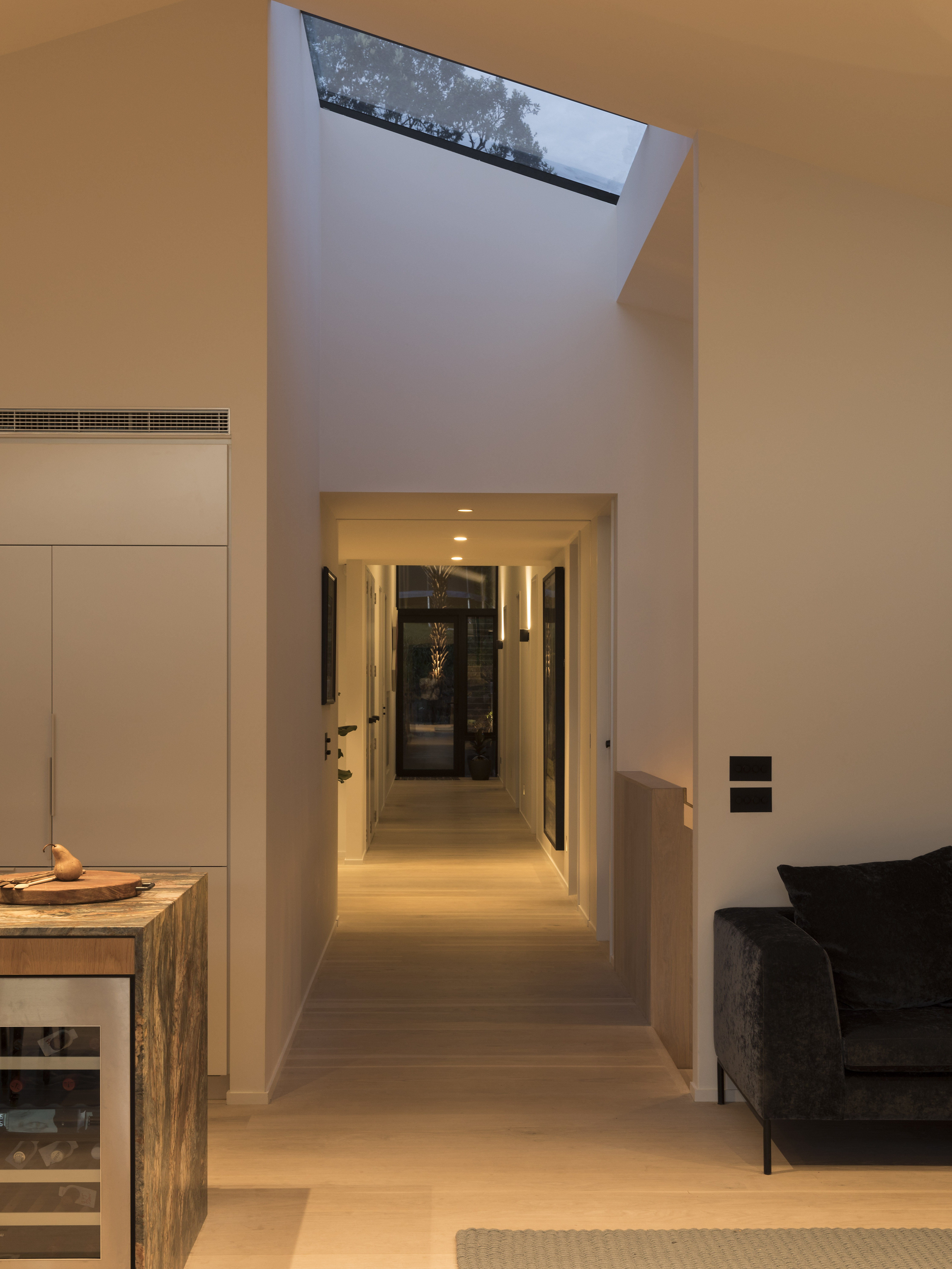
When we consider using a skylight in a design, we’re thinking about how it will enhance the experience of our buildings. This includes the angle at which the sun will strike, how the light will interact with the walls and materials around it, and how it will change throughout the day. Rather than making the skylight itself the feature, we want it to disappear as much as possible, custom-sizing it to the project and concealing the frame so the internal walls appear to run directly into glass.
Once the structure disappears, the focus shifts to what the opening adds to the room, whether that’s as simple as drawing in daylight, or something more specific that we’re trying to frame beyond the glass.
At Herne Bay Hideaway, we used a skylight to create a unique view, with the room below looking up into the canopy of a pōhutukawa tree overhead. At Shifting Focus, a rural project with no light pollution, we positioned one directly above the bed, allowing our clients to fall asleep beneath the stars and wake to the morning sun.
Even in busy urban areas where stargazing or a perfectly placed pōhutukawa aren’t on the cards, there are still plenty of opportunities to sculpt our architecture and for our buildings to reach up and pull in natural light.
Architecture From the Inside Out
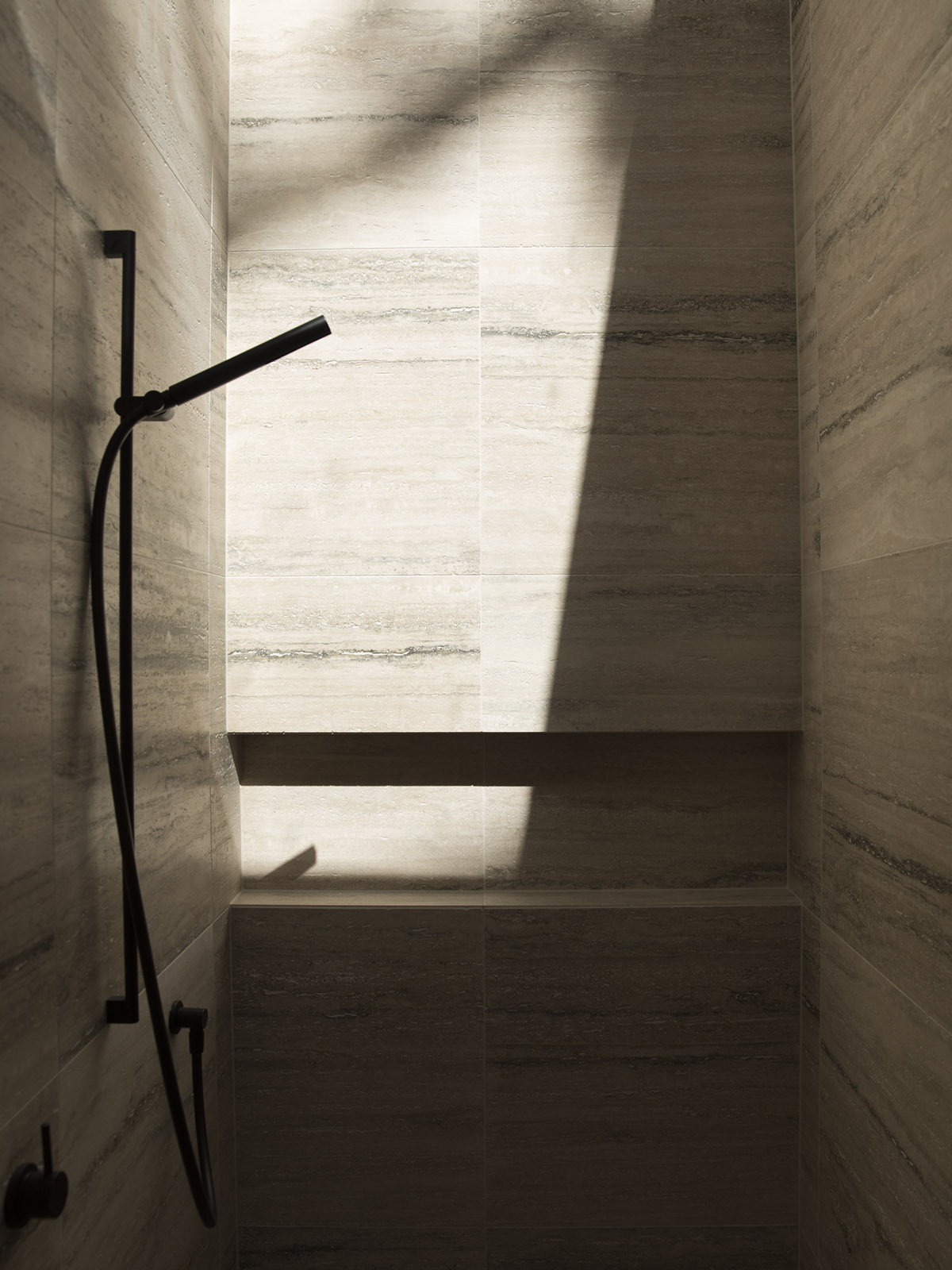
The same room can feel completely different from morning to evening, or summer to winter. The way the morning light fills your bathroom as you shower, or the clouds that pass overhead as you’re lying in the bath aren’t big architectural gestures you see from the street; they’re moments that belong entirely to the people who live there.
That’s an important part of how we think about residential architecture. Of course we want to create buildings that have presence from the outside, but we're even more invested in what happens within their walls.
If you’re planning a new build or renovation, we’d love to help you explore how to bring intentional natural light into your home.
Get in touch with our team to book an initial consultation.